
How AMP and SPSA Built the Largest Recycling Project in the U.S.
Guaranteed Diversion Rate
Portsmouth, VA
The Southeastern Public Service Authority (SPSA) is a regional waste management authority serving southeastern Virginia. SPSA manages waste disposal for its member communities, operating a network of transfer stations across the region.
Challenges: A Finite Landfill and Rising Costs with No Room to Expand
SPSA faced a critical long-term infrastructure problem: landfill permitting in Virginia had become increasingly restrictive, and there was no viable land available to expand disposal capacity within the region. With disposal capacity projected to run out by 2060, SPSA needed to find a way to extend the life of its existing assets indefinitely.
At the same time, member communities were paying exorbitant costs to recycle through traditional means. Conventional recycling approaches were not keeping pace with the volume or variety of material entering the waste stream, and SPSA had no appetite to own or operate an incinerator or processing facility on its own.
"We only had capacity for disposal through the year 2060. We need to figure out how can we make 2060 last into perpetuity," said Dennis Bagley, executive director of SPSA.
SPSA issued an RFP for an alternative waste disposal mechanism. The authority evaluated multiple vendors and technologies before identifying a solution that could meet its needs for scale, reliability, cost-efficiency, and long-term adaptability.
“It's not like any other plant I've ever been in. Their processes were far better than any other process that we looked at.”
Solution: A Regional, AI-Powered System Built Around SPSA's Existing Infrastructure
SPSA selected AMP as its preferred vendor following the RFP process. What distinguished AMP was not only the technology, but the approach: rather than proposing a standalone facility, AMP designed a network of facilities that integrates directly into SPSA's existing transfer station network — a regional, systems-based solution rather than a facility-centric one.
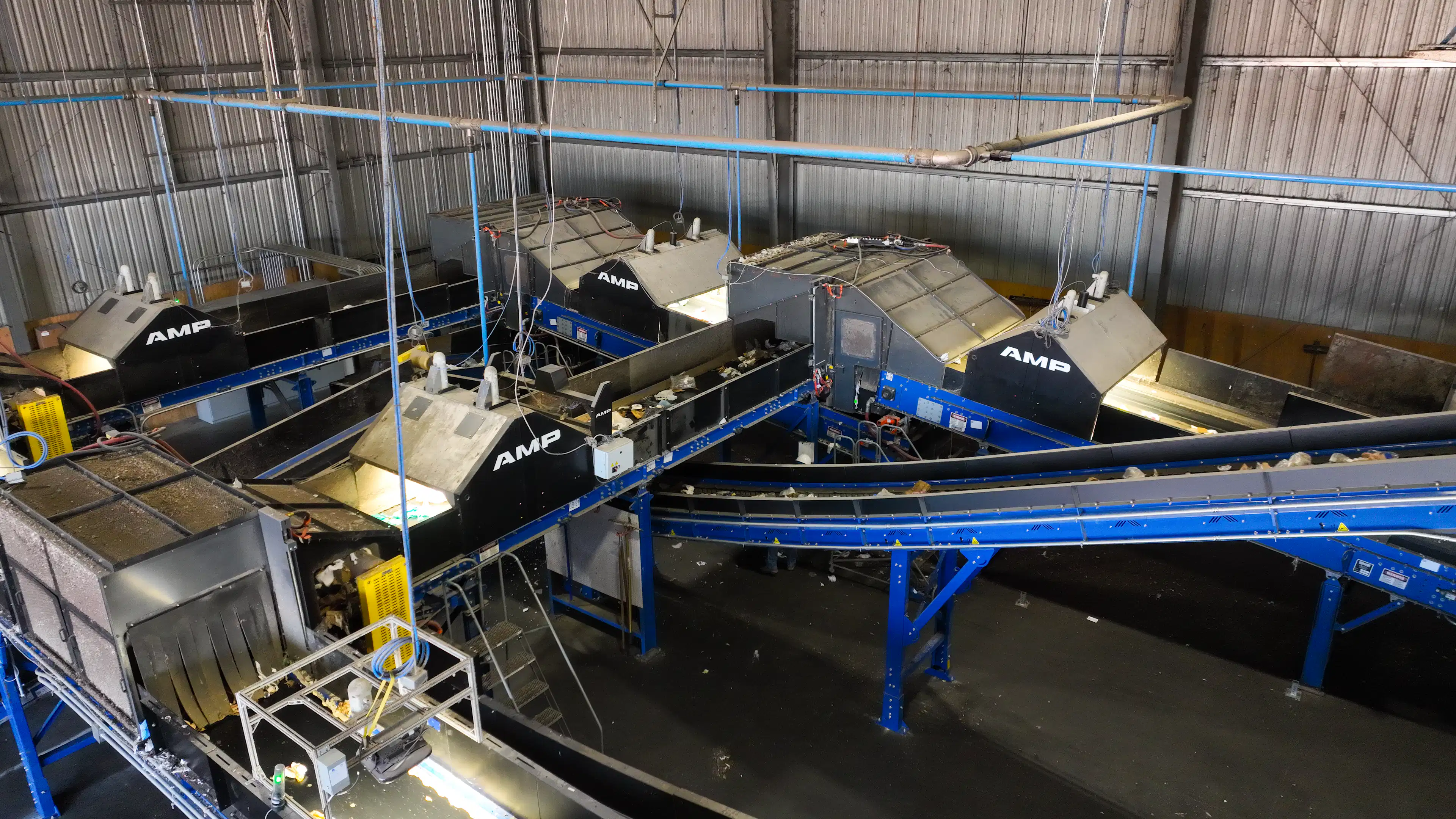
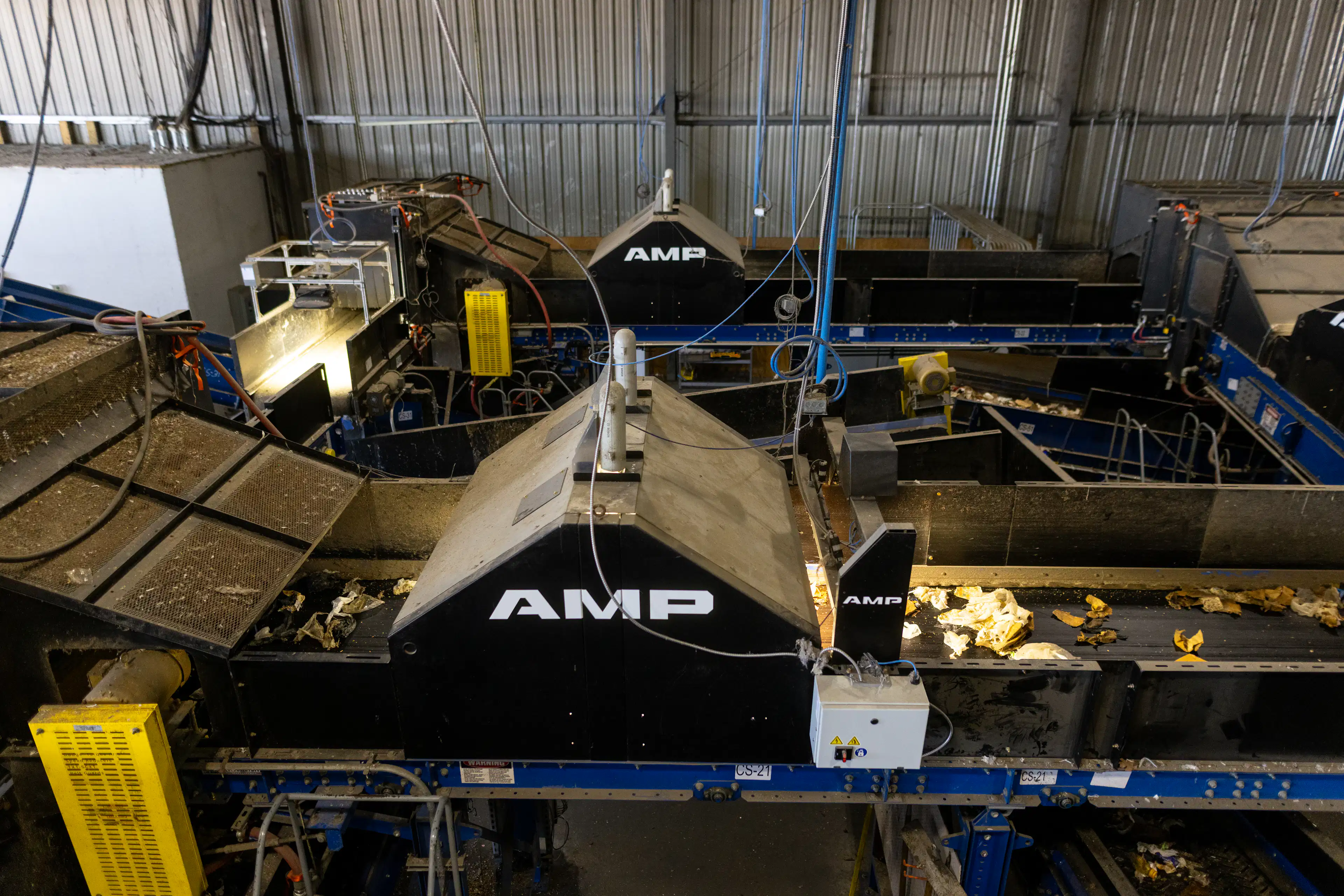
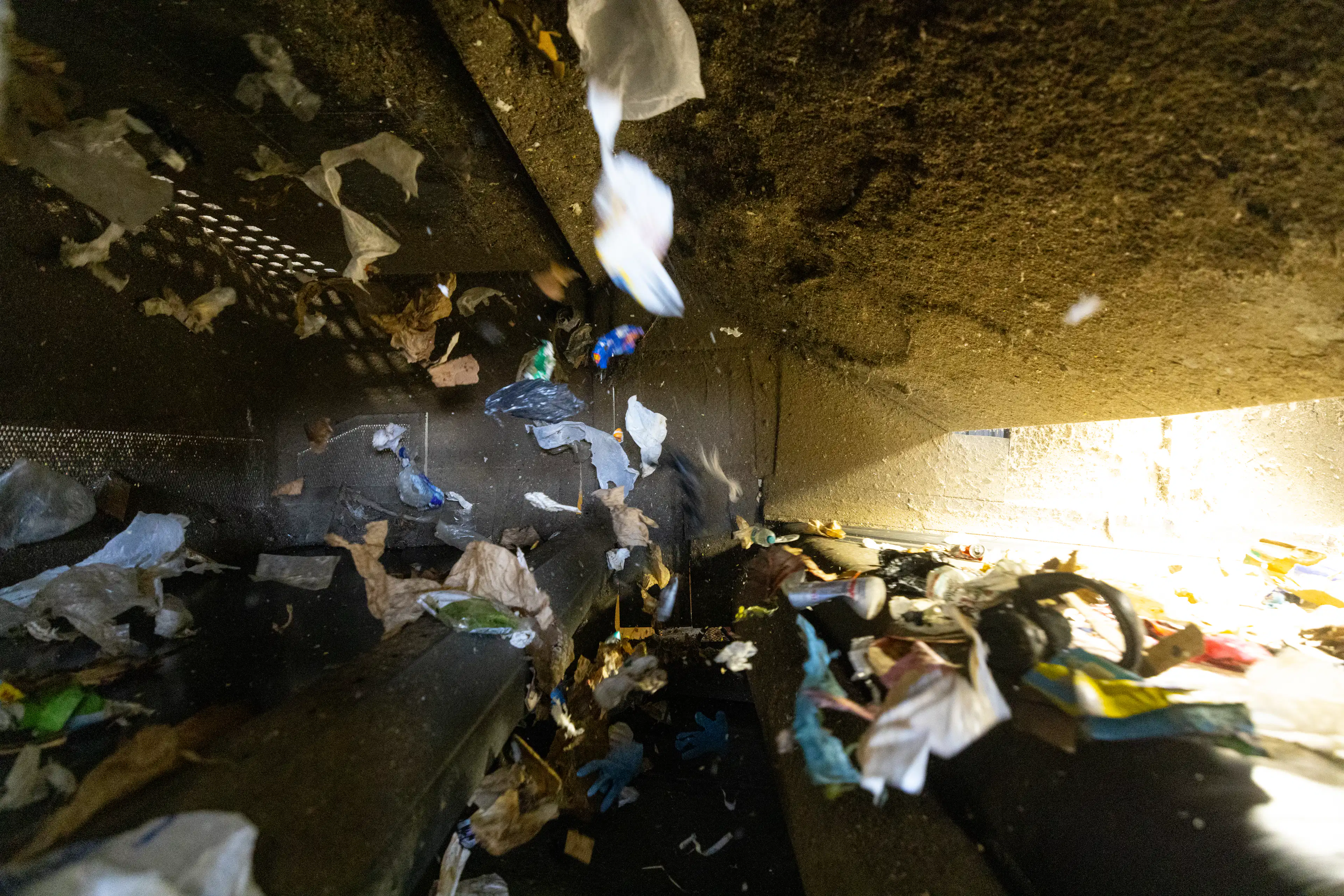
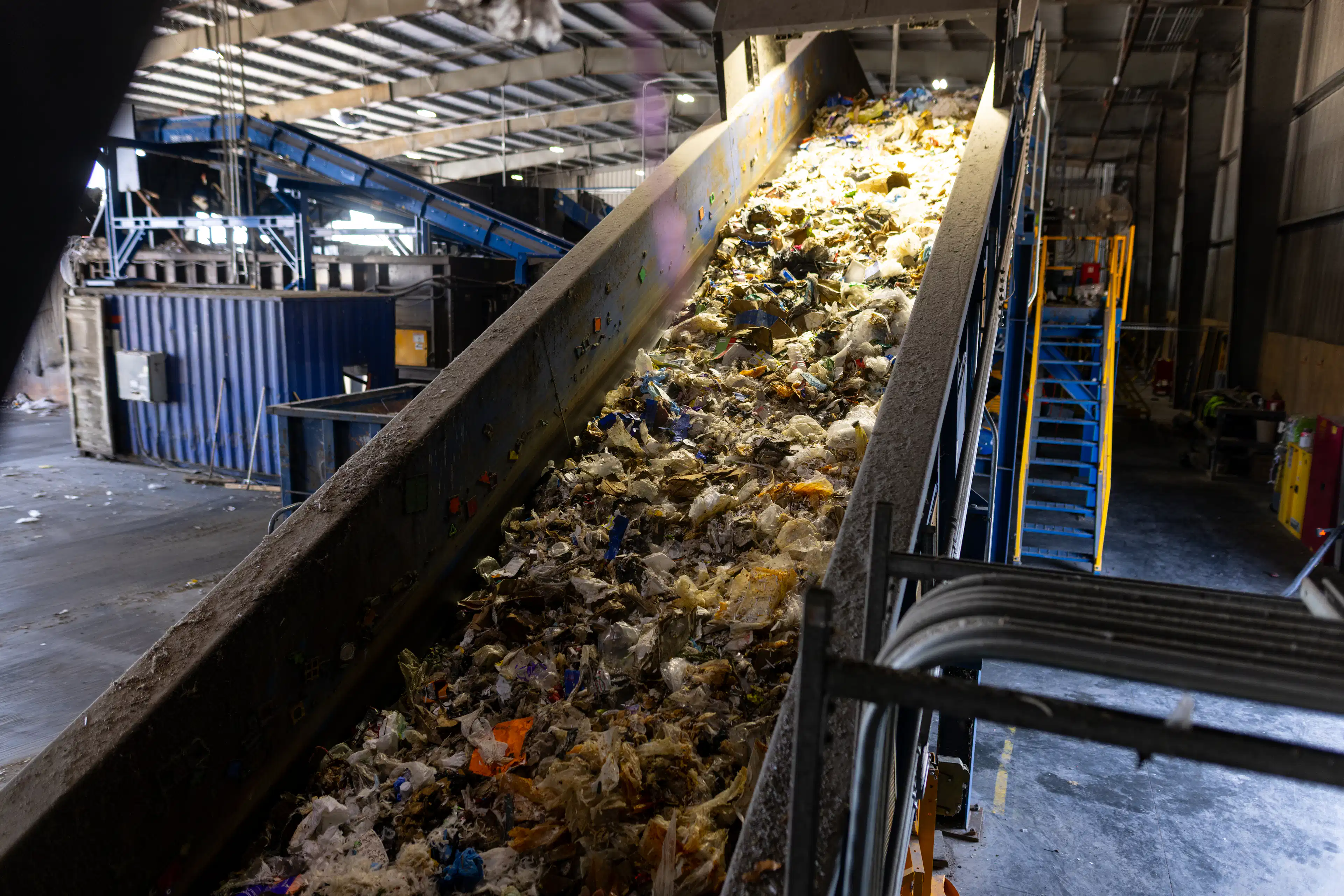
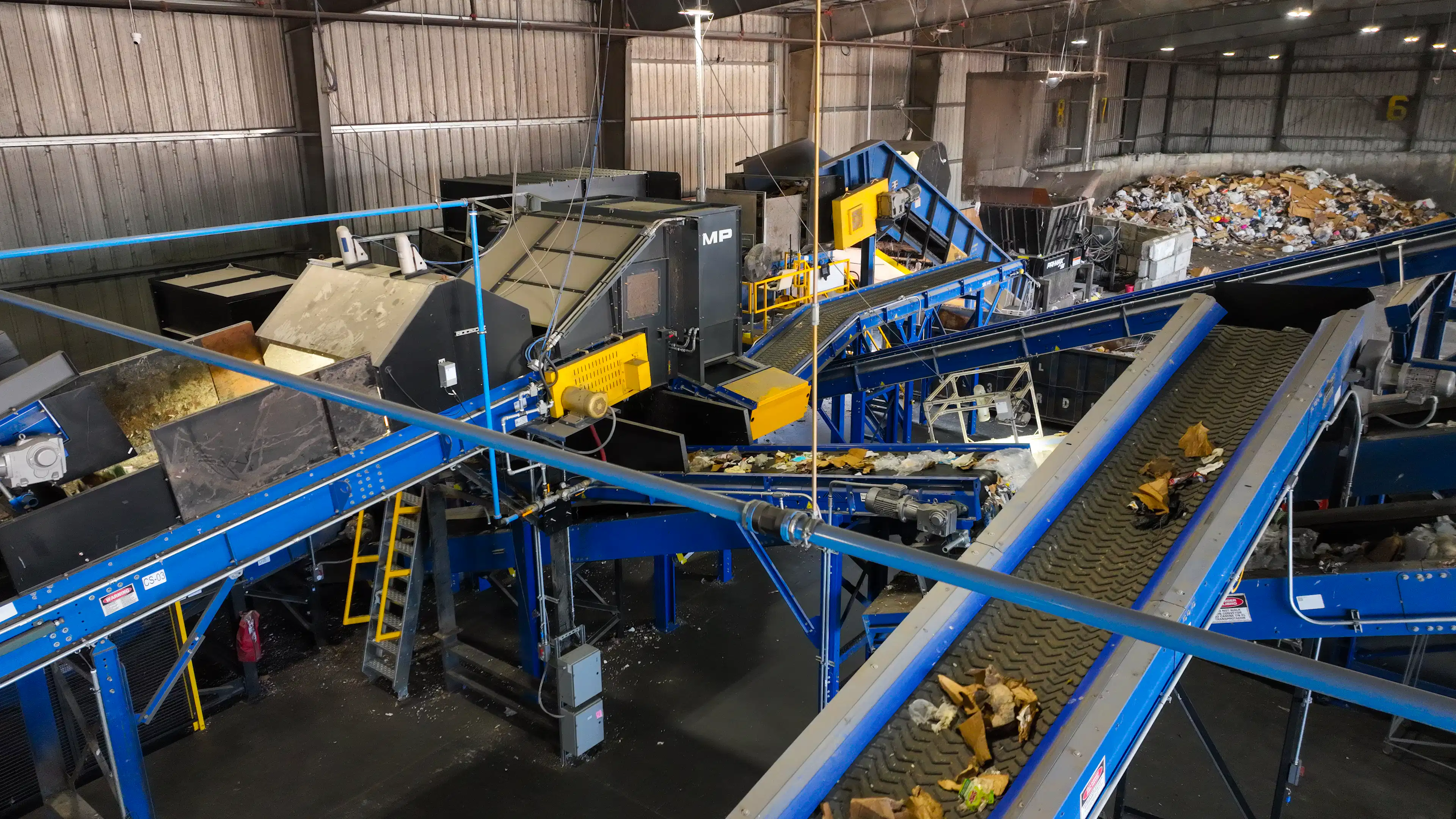
AMP's system accepts raw municipal solid waste, including sealed trash bags, rather than pre-separated recyclable streams. Every piece of waste entering the system is analyzed through AMP's AMP ONE platform, which separates material into individual recyclable commodity streams. Organic material is converted into biochar through a pyrolysis process, and only residue is returned to SPSA's landfill — dramatically reducing the volume of material that requires disposal.
Before the contract was signed, AMP invested in a pilot facility on SPSA's site to demonstrate that its system could deliver on its promises. This commitment — backed by performance guarantees other vendors were not willing to offer — gave SPSA the confidence to enter into a 20-year operations and maintenance agreement.
Under the agreement, AMP provides full operations and maintenance. SPSA does not carry the burden of designing, operating, or managing the facility, allowing the authority to focus on serving its member communities.
"We don't want to own or operate an incinerator or processing facility. So going into a relationship like this was great for us because we didn't have the responsibility of designing, operating, and managing the facility," said Bagley.
The system is designed to run 24 hours a day, 365 days a year — matching the continuous flow of waste into SPSA's transfer stations. It is also highly configurable: targeting parameters can be adjusted daily through software, allowing the system to adapt as the composition of the waste stream evolves over time.
“AMP's staff has been very responsive about every single thing we've ever asked. We've always got solid responses from them.”
Results: Landfill Life Doubled, Recycling Costs Reduced, and a National Blueprint Established
The AMP system doubles the operational life of SPSA's landfill, extending disposal capacity well into the next century. Member communities that were previously paying high rates to recycle are now able to do so at lower cost than before. The system targets material categories that have never previously been captured in recycling facilities, expanding recovery beyond what conventional approaches make possible.
SPSA's member communities benefit from a solution that is both financially sustainable and built to evolve. As waste streams change — in volume, composition, or commodity value — the system can be reconfigured without major capital investment or retraining.
The facilities being developed in Portsmouth are positioned to serve as essential infrastructure for the region for decades to come, and the SPSA-AMP partnership is already drawing interest from municipalities, companies, and governments across North America and beyond.
Inside SPSA
Put the power of AMP Smart Sortation™ to work for you.